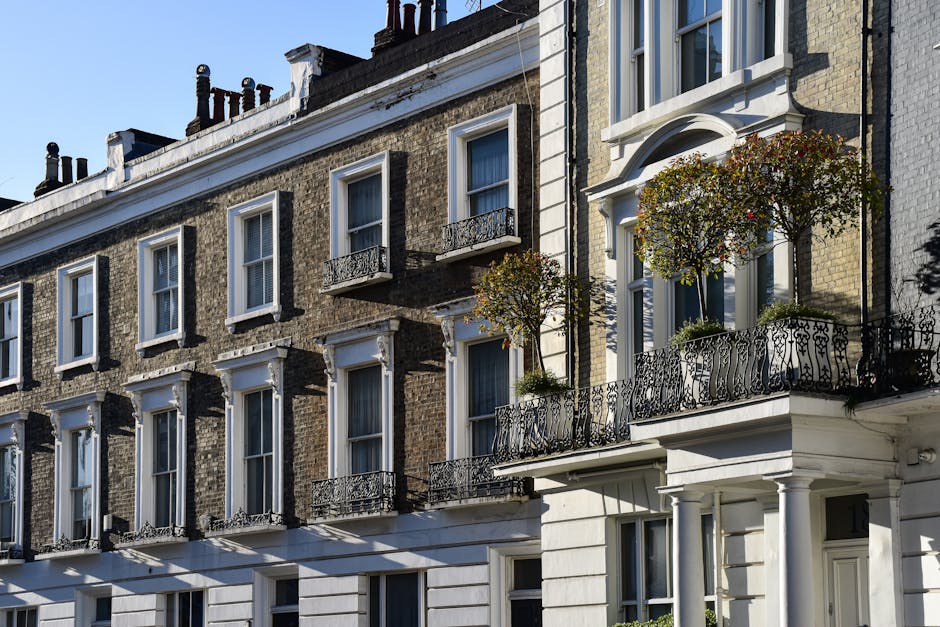
Avoiding Damage to Period Properties in Pimlico Moves
Moving in Pimlico can be a dream right up until the first scrape on a banister or a scuff across a narrow hallway. Period homes are beautiful, but they are also unforgiving. Old plaster, original woodwork, sash windows, uneven floors, tight staircases, and delicate finishes all make a move feel more like a careful operation than a simple carry-out. That is why avoiding damage to period properties in Pimlico moves needs a proper plan, not just a few blankets and a hopeful attitude.
In this guide, we will walk through the practical ways to protect both the property and the belongings during a move. You will see what tends to go wrong, how experienced movers reduce the risk, which tools actually help, and when it makes sense to bring in extra support such as a careful man and van service or full home moving support. If you are moving into or out of a Victorian terrace, a stucco-fronted flat, or a converted townhouse, this is the kind of detail that pays off fast.
Truth be told, period properties do not usually forgive rushed decisions. But with the right sequence, the right kit, and a bit of common sense, you can keep the move smooth and the house intact. That is the goal here.
Table of Contents
- Why Avoiding Damage to Period Properties in Pimlico Moves Matters
- How Avoiding Damage to Period Properties in Pimlico Moves Works
- Key Benefits and Practical Advantages
- Who This Is For and When It Makes Sense
- Step-by-Step Guidance
- Expert Tips for Better Results
- Common Mistakes to Avoid
- Tools, Resources and Recommendations
- Law, Compliance, Standards, or Best Practice
- Options, Methods, or Comparison Table
- Case Study or Real-World Example
- Practical Checklist
- Conclusion
- Frequently Asked Questions
Why Avoiding Damage to Period Properties in Pimlico Moves Matters
Pimlico's housing stock has a lot of character. That is part of the appeal. But character also means fragile features that can be expensive, awkward, or impossible to replace neatly. A chip in a painted cornice, a dent in a narrow corridor wall, or a gouge on original floorboards can turn a fairly ordinary move into a stressful repair job. And no one wants to be standing in a hallway at 7:40 in the morning, wondering how a wardrobe got through a doorway and still managed to leave a mark.
Period properties tend to combine older materials with layouts that were never designed for modern furniture. Staircases can be steep and winding. Doors may be narrower than you expect. Floors can flex or slope. In some Pimlico homes, access is the real challenge rather than the lifting itself. That makes protection essential. It is not about being over-cautious; it is about respecting the building.
There is also a financial side to it. Even small cosmetic damage can lead to repair costs, deposit deductions, or awkward conversations with landlords, freeholders, or managing agents. For homeowners, the frustration is simpler but still real: once an original feature is marked, you may never match it perfectly. So yes, care matters. A lot.
And then there is the emotional side. Period properties often carry a sense of history and pride. You can smell the dust of old timber, hear the soft creak of a floorboard, notice the way the morning light falls across a sash window. Damaging that feeling during a move can take the shine off the whole experience. Better to prevent it in the first place.
How Avoiding Damage to Period Properties in Pimlico Moves Works
The basic idea is simple: control every point where damage could happen. In practice, that means planning access, protecting surfaces, handling items correctly, and moving in a sensible order. Good moving teams think in layers. First the route. Then the coverings. Then the lifting method. Then the timing. If one layer fails, the others still reduce the risk.
In a period home, the high-risk areas are usually predictable. Corners take knocks. Stair edges get clipped. Door frames get scratched. Floors collect grit that acts like sandpaper under boxes and dollies. Hallway walls are vulnerable when large items turn through tight spaces. Even light furniture can do damage if it is carried at the wrong angle. The trick is not brute strength. It is control.
A practical approach often includes the following:
- Measuring furniture against the route before moving day.
- Protecting floors with coverings that stay in place.
- Padding door frames, banisters, and awkward corners.
- Using the right number of people for heavier or awkward items.
- Breaking down furniture wherever possible.
- Keeping the property clear of loose debris, tools, and packaging.
- Moving carefully in stages instead of rushing to finish in one sweep.
That may sound obvious. It is. But obvious steps are often the ones people skip when they are tired, under pressure, or convinced that "it'll be fine." Then the scratch appears. Usually on the last turn. Funny how that works.
If the move involves bulky pieces, it can help to book support such as experienced house removalists or a removal truck hire option that suits the size of the load. Matching the vehicle and crew to the property is part of damage prevention, not just logistics.
Key Benefits and Practical Advantages
When a move is handled with care, the benefits go beyond avoiding obvious damage. In period properties, a well-managed move often feels calmer, faster, and less disruptive. You can tell when a team understands old buildings because they move with a sort of measured rhythm. No shouting. No dragging. No last-minute improvisation at the top of the stairs.
Here are the main advantages:
- Fewer repairs afterwards. Protecting surfaces reduces the chance of touch-up work or replacement parts.
- Less stress on moving day. When you know the route is prepared, everything feels more under control.
- Better protection for fragile features. Original bannisters, skirting, mouldings, and floors stay safer.
- Reduced risk of moving delays. A blocked corridor or damaged item can slow everything down.
- Improved handling of valuable items. Antiques, mirrors, and vintage furniture benefit from a slower, more deliberate approach.
There is also a broader practical advantage: a tidy, protected move tends to create less dust, less friction, and fewer small accidents. That matters in a home where even a tiny chip stands out. Not every move needs a specialist team, but every period property needs a specialist mindset.
Expert summary: the safest Pimlico moves are rarely the fastest ones. They are the ones where access is measured, surfaces are protected, and each item is treated as if the building itself matters too.
Who This Is For and When It Makes Sense
This advice is for anyone moving in or out of a period property in Pimlico, but some people will benefit more than others. If your home has original features, listed-style detailing, tight hallways, communal entrances, or a staircase that makes every sofa look suspiciously ambitious, this section is for you.
It makes particular sense if you are:
- Moving into a Victorian, Edwardian, or Georgian-style property.
- Relocating from a basement flat or a top-floor conversion with awkward access.
- Carrying large furniture through narrow entrances.
- Managing a move with limited time and a fixed handover window.
- Wanting to avoid deposit issues or disputes over minor damage.
- Moving a combination of home and office items and need a careful handling plan.
It is also relevant if you are arranging a smaller move and think it will be easier. Sometimes it is. Sometimes it is exactly the kind of move that causes the most damage because people underestimate it. A single heavy wardrobe in a tight staircase can create more risk than a whole van of well-packed boxes. One awkward item can ruin a good day. A bit dramatic, maybe, but not wrong.
If you are only moving a few pieces, a furniture pick-up service can be a sensible option, especially when you want controlled handling rather than a rushed DIY lift. For business premises or mixed-use buildings, commercial moves may require the same level of care, just with a different layout and timing.
Step-by-Step Guidance
Here is a practical way to approach the move without treating the whole thing like a military exercise. Calm, methodical, and realistic works best.
1. Inspect the property before move day
Walk the route from the front door to the room where items will be loaded or unloaded. Look for narrow turns, low ceilings, protruding fixtures, soft plaster, and slippery sections. Check whether banisters wobble, whether doors open fully, and whether any area has fresh paint or delicate wallpaper that could mark easily.
Take note of vulnerable spots. If a corner already has a scuff, protect it anyway. Existing marks have a habit of turning into arguments later, and nobody needs that. A quick walk-through with a phone torch in the evening can reveal more than daylight sometimes. Odd, but true.
2. Measure large furniture and awkward items
Measure sofas, wardrobes, beds, cabinets, mirrors, and tall appliances. Compare them against door widths, staircase turns, lift access, and ceiling height. If something is borderline, assume it needs disassembly or a different route. Guessing is not a strategy, despite how often people try it.
3. Clear the route completely
Remove mats, loose shoes, bins, cables, and any clutter that can catch a foot or scrape a leg of furniture. In older homes, even a small obstacle can force the team to twist an item at the wrong angle. A clear route is one of the simplest damage-prevention tools there is.
4. Protect floors and walls
Use floor coverings that cover the main path rather than just the obvious doorway. Protect corners, skirting edges, stair rails, and door frames. Tape should be used carefully so it does not pull paint or paper away. If the property has delicate surfaces, test a small area first. Always. It saves trouble.
5. Disassemble where possible
Take apart bed frames, remove table legs, detach mirrors, and lighten cabinet loads before moving them. Smaller pieces are easier to handle and less likely to swing into walls. Keep fixings in labelled bags so reassembly does not become a treasure hunt.
6. Use the right carrying method
Large items should be carried by enough people to stay balanced. One person rushing at the back, another trying to steer, and a third guessing the angle is how little mistakes become big ones. The aim is to keep furniture level, controlled, and close to the body where possible.
7. Load the vehicle strategically
Heavier items go in first and secure in place. Fragile items should not sit under pressure from bulky boxes. A good load plan prevents things shifting during transport, which matters just as much as protection inside the property. If the van is too small, it is worth choosing a better-sized vehicle rather than forcing a bad fit. That is where the right moving truck can make a real difference.
8. Unload with the same care
The end of a move is where people relax too early. That is when a sofa clips the hallway, or someone takes a shortcut with a box and bumps a wall. Keep the same standards until the last item is inside, assembled, or placed safely.
Expert Tips for Better Results
Some of the best damage-prevention habits are small and not very glamorous. But they work. In our experience, these are the kinds of details that separate a smooth move from a stressful one.
- Protect the point of contact, not just the surface. The corner of a chest of drawers or the leg of a bed often causes the mark, not the broad front face.
- Check the weather. Rainy day entries are slippery, and wet shoes drag grit onto floors. London weather does like to complicate things a little, doesn't it?
- Use proper gloves and grip. Better control means fewer accidental knocks.
- Keep a spare cloth or pad to hand. You will be glad of it when a last-minute turn gets tight.
- Label fragile items clearly, but still pack them properly. Labels are helpful. They are not magic.
- Work one room at a time. It keeps routes clear and reduces confusion.
- Do a second walk-through before the van leaves. This catches forgotten pieces and helps spot any fresh marks early.
One more thing: do not let speed become the whole goal. It is perfectly fine to pause for ten seconds and reset the angle. Ten seconds now can save ten minutes later, or a repair bill. Small pause, big payoff.
If you need help with packing, using a packing and unpacking service can take pressure off the move and reduce breakage risk before items even reach the door. That is often where the hidden damage starts, in the box rather than the hallway.
Common Mistakes to Avoid
Most move-related damage is not caused by dramatic accidents. It is caused by ordinary shortcuts. That is the frustrating bit. Here are the ones to watch out for.
- Underestimating access. A room that looks spacious can still have an impossible turn at the landing.
- Forcing oversized items through. If something does not fit cleanly, stop and reassess.
- Skipping floor protection. Bare floors pick up dirt, heel marks, and scratches very quickly.
- Using too little padding. One thin blanket is not enough for a heavy chest or fragile bannister.
- Rushing the final load-out. People tend to relax once the day is nearly done. That is when mistakes creep in.
- Leaving tools, tape, and boxes in the way. Clutter turns a simple job into a hazard.
- Not checking door swing direction. It seems minor, but it can change how a large item passes through a room.
A slightly awkward truth: some damage happens because everyone is trying to be helpful at once. Too many voices, too many hands, too many ideas. Better to have one person directing the move while the rest follow a clear plan.
Tools, Resources and Recommendations
You do not need a van full of specialist equipment to protect a period property, but the right tools help a lot. The goal is simple: reduce contact, reduce friction, and reduce panic.
| Tool or Resource | What It Helps With | Best Use |
|---|---|---|
| Floor coverings | Protecting original floors from grit and scuffs | Hallways, entrances, stair landings |
| Corner protectors | Reducing impact on sharp edges | Tight turns and narrow routes |
| Furniture blankets | Cushioning items and shielding finishes | Tables, cabinets, mirrors, painted wood |
| Straps and trolleys | Controlling weight and balance | Heavy or awkward items with a suitable route |
| Labelled packing materials | Keeping breakables organised | Rooms with mixed household contents |
| Professional moving support | Reducing handling errors and access issues | Large, fragile, or time-sensitive moves |
There is no shame in using help where it genuinely improves safety. For example, a suitable vehicle and handling team can matter more than people expect. A well-planned man with van arrangement can be ideal for smaller loads, while truck hire may suit heavier or more complex moves with better loading control.
It is also worth keeping your paperwork and expectations tidy. If you are using a service provider, read the terms carefully, understand what is included, and ask about handling methods for fragile or high-value items. If privacy or booking conditions matter to you, the terms and conditions and privacy policy are sensible places to check. That is not exciting reading, granted, but it can prevent misunderstandings.
Law, Compliance, Standards, or Best Practice
For most domestic moves, the main concern is not a complex legal rulebook. It is practical compliance with property access rules, landlord requirements, building management instructions, and general duty of care. In Pimlico, as in much of central London, access can be sensitive. Shared hallways, permit constraints, concierge requirements, and neighbour considerations may all affect the moving plan.
If the property is leasehold, rented, or part of a managed building, you may need to follow specific move-in or move-out windows, lift booking rules, or protective measures for communal areas. Even if nobody spells it out in detail, best practice is to protect shared surfaces and leave no trace behind except the boxes that belong to you. That keeps everyone happier.
For damage prevention, the industry norm is simple: take reasonable care, use suitable equipment, and match the team to the property. In plain English, that means not dragging furniture across floors, not forcing items through openings, and not treating old features as though they were built yesterday. If a move looks borderline, pause and reassess rather than pushing through and hoping for the best.
It is also wise to document the condition of the property before and after the move if there is any risk of dispute. Quick photos of vulnerable areas can be helpful. Not glamorous, but useful. Very useful.
Options, Methods, or Comparison Table
Different moves need different levels of support. The right choice depends on the size of the load, the access, and how delicate the property is. Here is a simple comparison to help you weigh it up.
| Option | Best For | Pros | Trade-Offs |
|---|---|---|---|
| DIY move with friends | Very small, simple moves | Low upfront cost, flexible timing | Higher risk of damage, less control, more fatigue |
| Man and van | Smaller household moves or single-room relocation | Flexible, efficient, suitable for lighter loads | May not suit very bulky or fragile loads without preparation |
| House removalists | Full-home moves with awkward access | More structured handling, better planning, less stress | Usually more involved to arrange |
| Truck hire | Large loads or multi-trip moves | Greater capacity, better for organised loading | Needs careful planning to avoid wasted space and shifting |
| Packing support | Fragile items or time-poor moves | Better protection before transport begins | Extra service layer to schedule |
For many Pimlico properties, the safest route is not the cheapest-looking option on paper. It is the option that fits the building. A smaller, better-managed move can actually be smoother than a larger one with more people and less control. Sounds obvious. Still easy to miss.
Case Study or Real-World Example
Imagine a two-bedroom flat in a Victorian conversion off a quiet Pimlico street. The hallway is narrow, the staircase turns sharply halfway up, and the original bannister has a polished finish that shows every touch. The occupants are moving a sofa, a dining table, a wardrobe, boxes of books, and a mirror with a thin wooden frame. Nothing outrageous. But the building layout makes the job delicate.
The move works best when the team starts with a quick inspection, removes the dining table legs, wraps the mirror separately, and clears the stairwell before anything heavy moves. A floor runner goes down first. The wardrobe is measured and found to be a tight fit, so the doors are removed and the piece is carried upright with two people guiding the turn and a third spotting the top edge. The sofa is taken slowly, with the route checked at the landing. No forcing. No guesswork.
What makes the difference here is not special equipment alone. It is the sequence. By protecting the route first, the team avoids a chain of tiny impacts: one knock on the wall, one scrape on the rail, one shift in balance, and suddenly the whole staircase has suffered. Instead, everything arrives with only the usual move-day weariness. A little dusty, a bit tired, but intact. That is the win.
Practical Checklist
Use this as a simple pre-move check for period homes in Pimlico.
- Measure large furniture and key access points.
- Identify fragile features such as cornices, skirting, bannisters, and original floors.
- Protect floors, corners, and door frames before moving anything.
- Clear all walkways, stairs, and landings.
- Disassemble furniture where practical.
- Use blankets, pads, and straps appropriately.
- Assign one person to direct the move if several people are helping.
- Keep packing materials and tools off the moving route.
- Move slowly at tight turns and doorways.
- Check for damage before the vehicle leaves.
- Photograph any pre-existing marks if needed.
- Confirm final placement before heavy items are unloaded completely.
If you are coordinating a more complex move, especially across different rooms or building types, it can help to look at office relocation services too, since the same principle applies: careful access planning prevents avoidable damage.
Conclusion
A period property in Pimlico deserves a slower, smarter kind of move. That does not mean the day has to feel difficult. It just means the building sets the rules, and the moving plan should respect them. Measure the route. Protect the surfaces. Use the right crew size. Take the awkward items seriously. That is really the heart of avoiding damage to period properties in Pimlico moves.
Most problems are preventable. A bit of preparation goes a long way, and it often pays off in a calmer day, fewer repairs, and a much better sense that the move was handled properly. If you are planning one soon, think in terms of control rather than speed. The old buildings will thank you in their own quiet way.
Get a free quote today and see how much you can save.
And if you are standing in a hallway right now, looking at a difficult corner and wondering how on earth a wardrobe is meant to turn through there, take a breath. With the right approach, it usually does work out.
Frequently Asked Questions
What causes the most damage during period property moves?
The most common causes are tight turns, rushed lifting, poor floor protection, and underestimating how narrow older access routes can be. Corners and stair edges tend to take the first hit.
How do you protect original floors during a move?
Use floor coverings that stay in place, clear away grit and loose debris, and avoid dragging items. Protection needs to cover the full walking and carrying route, not just the front door.
Are period homes harder to move in than modern flats?
Usually yes, because layouts can be less straightforward and surfaces more delicate. That said, a well-planned move in a period home can still be very smooth.
Should furniture be disassembled before moving?
If it can be safely taken apart, usually yes. Disassembly makes items easier to carry, reduces snagging, and lowers the risk of wall or banister damage.
What if a sofa or wardrobe does not fit through the staircase?
Stop and reassess rather than forcing it. Sometimes removing doors, legs, or other components solves the issue. In other cases, a different route or a different moving method is needed.
Is professional packing worth it for period property moves?
It often is, especially for fragile or valuable items. Good packing reduces breakage before the items even leave the property, which is where a lot of damage risk begins.
How far in advance should I plan a move in Pimlico?
As early as possible if the property has awkward access or a lot of original features. A bit of lead time helps with measurements, route checks, and any building-specific arrangements.
Do I need special insurance for a move in a period property?
It depends on the value of your items, the type of service you use, and your own risk tolerance. Check what cover is included and ask direct questions before booking.
What is the safest way to move heavy items through narrow hallways?
Keep the item balanced, use enough people, protect the route, and move in small controlled steps. Do not twist heavy furniture aggressively through a tight space.
Can small moves still damage a period property?
Absolutely. A single heavy item in a narrow hallway can cause more damage than a larger move with careful planning. Small does not always mean simple.
What should I do if I notice pre-existing damage before moving in?
Take photos and note it clearly before the move begins. That way, if questions come up later, there is a fair record of the original condition.
When is it better to use a van service rather than doing it myself?
If access is tight, items are valuable, or you want less physical strain, a van service can be the safer choice. It is especially useful when the move needs controlled handling more than speed.