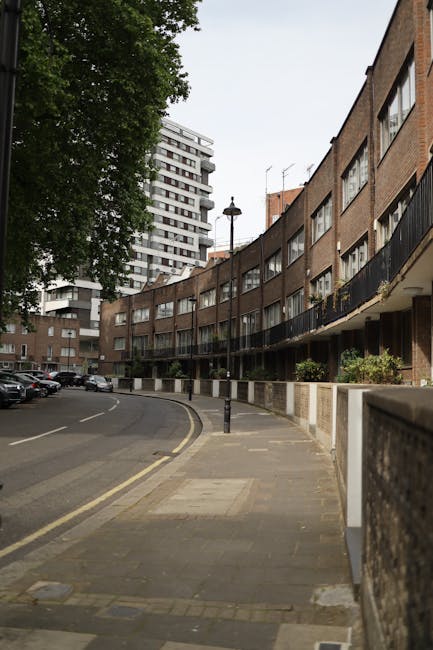
Churchill Gardens Estate: Navigating a Smooth Flat Move
Moving into or out of a flat at Churchill Gardens Estate can feel straightforward on paper and surprisingly complex in practice. Shared entrances, lift bookings, parking access, narrow corridors, timing restrictions, and the simple reality of carrying furniture through a lived-in estate all add up. The good news is that a smooth flat move is absolutely achievable with the right planning.
This guide walks you through the practical side of a Churchill Gardens Estate move: how to prepare, what to expect, where delays tend to happen, and how to choose the right support for your situation. Whether you are relocating a studio, a family flat, or handling a last-minute move with awkward furniture, you will find grounded advice here that helps reduce stress and keep the day on track.
For readers comparing service options, it can also help to understand the difference between a simple man and van booking, a larger vehicle such as a moving truck, and full home moving support. The right choice depends on access, volume, and how much lifting you want to avoid.
Practical takeaway: The best flat moves are not the fastest ones on the day; they are the ones planned around access, timing, and the layout of the building.
Table of Contents
- Why Churchill Gardens Estate: Navigating a Smooth Flat Move Matters
- How Churchill Gardens Estate: Navigating a Smooth Flat Move Works
- Key Benefits and Practical Advantages
- Who This Is For and When It Makes Sense
- Step-by-Step Guidance
- Expert Tips for Better Results
- Common Mistakes to Avoid
- Tools, Resources and Recommendations
- Law, Compliance, Standards, or Best Practice
- Options, Methods, or Comparison Table
- Case Study or Real-World Example
- Practical Checklist
- Conclusion
- Frequently Asked Questions
Why Churchill Gardens Estate: Navigating a Smooth Flat Move Matters
Flat moves are rarely difficult because of the packing alone. More often, the challenge is the building itself. Churchill Gardens Estate has the kind of shared residential environment where movement has to be coordinated carefully: you may be sharing entrances with neighbours, working around lift availability, and navigating tight windows for vehicle access or unloading.
That matters because every small friction point compounds. A sofa that does not fit in the lift, a missing parking arrangement, or a delayed key handover can turn a careful move into a long, tiring day. People often assume a flat move is easier than a house move because there is less space, but in practice the opposite can be true. Less space usually means less margin for error.
There is also a neighbourly side to this. A considerate move reduces noise, avoids blocking communal areas, and lowers the risk of accidental damage to walls, floors, or doors. That is not just polite; it can save time and prevent awkward follow-up conversations after the move.
If you are moving as part of a broader transition, such as downsizing, relocating for work, or combining households, it may also be worth looking at packing and unpacking support or even removal truck hire if your move involves larger items and multiple trips. The point is to match the service to the realities of the estate, not the other way around.
How Churchill Gardens Estate: Navigating a Smooth Flat Move Works
A smooth move at Churchill Gardens Estate usually follows the same basic logic: plan the access, reduce what needs to be carried, choose the right vehicle and team, and keep the timing tight. That sounds simple, but each step has its own details.
1. Start with the building and access
Before anything else, confirm how the move will work in the estate. Ask yourself:
- Is there lift access, and is it large enough for bulky items?
- Will you need to book a lift or give notice for moving day?
- Where can a van or truck stop without causing disruption?
- Are there any time restrictions for noisy or high-traffic activity?
These questions shape everything else. A route that looks fine from the street may be awkward once you factor in stairs, internal corners, and communal corridors.
2. Decide how much support you actually need
Not every move needs a full crew. A small one-bed flat with lightweight items may be well suited to a man with van service. If you have more furniture, fragile items, or a tighter schedule, a larger team or vehicle may be more efficient. For larger households, the planning often resembles a standard house removal rather than a simple point-to-point delivery.
3. Pack for the route, not just the room
The route from flat to vehicle matters just as much as the label on the box. Heavy boxes that are technically "move-ready" can still be awkward if there are stairs or a narrow lift. Break loads into manageable weights, protect sharp corners, and keep essentials separate so they do not disappear into the general pile.
4. Load in the right order
A good loading plan saves time at both ends. Put the hardest-to-move items on first, then stack stable boxes around them. Keep essentials, documents, and anything you need immediately accessible. Think of it as building a moving puzzle that has to survive turns, lifts, and door frames without drama.
5. Unload with a room-by-room plan
Once you arrive, direct items to their destination immediately. If you can, label boxes by room and priority. That prevents the common post-move situation where everything lands in the living room and no one wants to open another box until tomorrow. We have all seen that scene.
Key Benefits and Practical Advantages
When a Churchill Gardens Estate flat move is organised properly, the benefits show up in practical, everyday ways. The most obvious one is reduced stress. But there are several others that people often only notice after the move is over.
- Less wasted time: Clear access plans and correct vehicle sizing reduce waiting around.
- Lower damage risk: Better packing and better loading reduce the chance of scuffed walls or broken items.
- Less physical strain: The right help means fewer heavy lifts, fewer awkward turns, and less fatigue.
- Better neighbour relations: A quieter, shorter, more orderly move is less disruptive in a shared estate.
- Cleaner handover: If you are leaving a flat, a tidy move makes final checks and cleaning much easier.
There is another practical advantage that gets overlooked: decision clarity. Once you know whether you need a small vehicle, a larger truck, or extra help with packing, the rest of the move becomes easier to schedule. If you are still comparing options, the service pages for man and van, moving truck, and packing and unpacking services can help you understand which setup suits your move.
Who This Is For and When It Makes Sense
This kind of move guidance is useful for a wide range of people, but it is especially relevant if your situation includes any of the following:
- You are moving into a flat and want to avoid first-day chaos.
- You are leaving a Churchill Gardens Estate property and need a smooth handover.
- You have bulky furniture, awkward corners, or limited lift access.
- You are coordinating a move around work, school runs, or a narrow time window.
- You are moving on your own and want reliable support without overpaying for unnecessary extras.
- You are relocating a small office or home-based business setup and need careful handling of equipment.
For commercial or mixed-use needs, it may also be sensible to look at commercial moving support or office relocation services if the move involves desks, monitors, files, or other work equipment. Flat moves are not only about sofas and boxes; sometimes they are about keeping life and work operational with minimal disruption.
If you simply have one or two items to move, a smaller service might be enough. If you are replacing furniture, a furniture pick-up service can be a practical middle ground, especially when you need something collected, delivered, or removed on a tight timeline.
Step-by-Step Guidance
Here is a practical way to organise the move without turning your week into a logistics project.
- Confirm the move date and access details. Check lift availability, parking access, entry instructions, and any required notices.
- Reduce the volume. Sell, donate, recycle, or store items you do not want to carry. Fewer boxes means fewer problems.
- Measure large furniture. Sofas, wardrobes, beds, and dining tables deserve special attention. Measure not just the item, but the route too.
- Choose the right transport. A small move may suit a van; larger loads may need a bigger vehicle or a dedicated truck.
- Pack by priority and fragility. Keep essentials close, protect glass and electronics, and label everything clearly.
- Prepare the flat. Clear hallways, protect floors where possible, and keep doors open only when needed to avoid bottlenecks.
- Move the essentials first. Toiletries, chargers, documents, kettle, bedding, and basic tools should be easy to reach.
- Unload in stages. Put beds, kitchen basics, and daily-use items in place before dealing with less urgent boxes.
- Check for damage and missing items. Do a quick walk-through before the team leaves, if you can.
- Finish the handover properly. If you are moving out, leave the flat clean and remove all remaining items.
A useful rule of thumb: if an item is expensive, fragile, or awkward to carry, it deserves a plan rather than improvisation.
Expert Tips for Better Results
Small decisions make a big difference on moving day. Here are the sorts of tips that save time and keep the process calm.
- Book around building access, not just your own schedule. The cheapest or most convenient time slot is not always the best if it clashes with lift use or parking constraints.
- Keep one clear staging area. A single spot for packed boxes makes loading faster and reduces confusion.
- Use the right boxes for the right things. Heavy items in small boxes are easier to carry than half-full large cartons packed with books.
- Protect communal surfaces. Blankets, wraps, and corner protection can prevent avoidable scuffs.
- Label by destination and priority. "Kitchen - first night" is more useful than "miscellaneous."
- Have a backup plan for parking or delays. A quick phone number, key contact, or second parking option can rescue the day.
If you are unsure how much support is enough, a smaller booking may be a sensible first step, especially for apartments with simpler access. That is where a flexible man and van option can be useful. It is often better to book the right-sized service than to pay for capacity you do not need.
One more thing: keep snacks and water somewhere obvious. It is not glamorous advice, but nobody moves better when they are hungry and thirsty.
Common Mistakes to Avoid
Most moving headaches come from a few recurring mistakes. If you avoid these, your odds of a calm move go up quickly.
- Assuming access will be easy. Shared buildings often have quirks that only become obvious on the day.
- Underestimating bulky furniture. A sofa can be the single biggest obstacle in a flat move.
- Packing too late. Rushed packing leads to broken items, missing essentials, and poor box labelling.
- Choosing a vehicle that is too small. Extra trips cost time and energy, and they can be more expensive than booking the right setup from the start.
- Not protecting communal areas. Scraped paint and muddy floors are avoidable problems.
- Forgetting about the first night. If bedding, chargers, and toiletries are buried, the move feels harder than it needs to.
- Leaving clear-out tasks to the last minute. Old furniture, packaging, and unwanted items can become a surprise bottleneck.
Where possible, arrange removal of anything you do not want to bring with you before moving day. If you need to clear old furniture efficiently, a service such as furniture pick-up can prevent clutter from following you from one address to the next.
Tools, Resources and Recommendations
You do not need a huge toolkit to move well, but a few items make a noticeable difference.
| Item | Why it helps | Best use |
|---|---|---|
| Marker pens and labels | Speeds up unloading and room placement | All boxes and loose items |
| Strong tape | Prevents boxes from opening in transit | Boxes with heavier contents |
| Furniture blankets | Protects doors, frames, and furniture surfaces | Wardrobes, tables, appliances |
| Reusable bags or crates | Useful for small essentials and odd-shaped items | Kitchenware, cables, toiletries |
| Toolkit | Helps with bed frames, shelving, and quick fixes | Assembly and disassembly |
For readers who prefer a more hands-off move, it is worth exploring services that combine transport and labour. A house removalist team can be a sensible choice if you have several rooms' worth of belongings, while home move support may suit those who want a structured, end-to-end service.
It is also sensible to check company information before booking, especially if you are comparing different providers or different service levels. Pages such as about us and contact us are useful for understanding how a business operates, how to reach it quickly, and what kind of support you can expect if your plans change.
Law, Compliance, Standards, or Best Practice
For most flat moves, the main compliance concerns are practical rather than legal. Still, it is sensible to follow accepted best practice and respect building rules, local access arrangements, and safe moving standards.
In shared residential settings, that usually means:
- Following any moving-day instructions issued by building management or property representatives.
- Avoiding obstruction of communal corridors, entrances, and exits.
- Using safe lifting techniques and suitable equipment for heavy items.
- Protecting shared surfaces and keeping noise and disruption as low as reasonably possible.
- Confirming parking or loading arrangements in advance rather than assuming roadside space will be available.
If you are disposing of items, use lawful and responsible disposal methods. Avoid leaving unwanted furniture in communal areas unless you have arranged collection. If you are handling sensitive documents or business equipment, extra care is sensible, and sometimes a more structured commercial move approach is appropriate even for a small flat-based operation.
Best practice also includes clarity in terms and service expectations. Before booking, review a provider's terms and conditions and privacy policy so you understand what is included, how information is handled, and what happens if timing changes.
Options, Methods, or Comparison Table
The right moving method depends on how much you have, how difficult the access is, and whether you want help with packing or lifting. Here is a simple comparison to guide the decision.
| Option | Best for | Strengths | Watch-outs |
|---|---|---|---|
| Man and van | Small to medium flat moves | Flexible, efficient, often cost-effective | May not suit larger furniture volumes |
| Man with van | Quick local moves and single-item transport | Simple booking, ideal for lighter loads | Limited capacity if the move grows |
| Moving truck | Larger flats or multiple bulky items | More space, fewer trips | Can be harder to position in tight access areas |
| Removal truck hire | Moves with many boxes or mixed household loads | Useful for structured loading and bigger volume | Needs careful planning for parking and access |
| Full home move service | Busy households or time-sensitive moves | More support, less personal workload | Usually the most comprehensive option |
If the estate access is tight, a smaller van can sometimes be better than a larger vehicle, even if the load is modest. The key is not to think in abstract terms of "cheaper" or "bigger," but in terms of what will work smoothly from the flat to the street.
Case Study or Real-World Example
Consider a typical scenario: someone moving from a two-bedroom flat at Churchill Gardens Estate into a nearby rental property. They have a bed frame, a sofa, a dining table, several boxes, and a few fragile items. On paper, it sounds manageable. The challenge appears when they realise the sofa will need careful turning through a communal area and the vehicle will need a predictable loading point.
What made the move work was not a dramatic solution. It was a set of sensible choices: the mover measured the larger furniture in advance, packed boxes by room, used a smaller number of sturdy cartons, and booked a service that matched the access limitations rather than hoping the day would "sort itself out." A few items that were no longer needed were collected separately, which cleared space and reduced the load.
The result was a calmer handover, less stress for the residents nearby, and no last-minute scramble to fit an oversized piece through a doorway. That is the real lesson: the smoother the planning, the less the move feels like a puzzle solved under pressure.
For people in a similar position, an organised collection or delivery service can make a difference too. A quick furniture collection helps remove surplus items before moving day, while a more complete home move plan keeps transport and lifting aligned with the actual job.
Practical Checklist
Use this checklist in the final days before the move.
- Confirm move date, time, and access arrangements.
- Check lift size, stair access, and any booking requirements.
- Measure large furniture and awkward items.
- Decide whether you need a van, truck, or full removal help.
- Label boxes by room and priority.
- Pack essential items separately for the first 24 hours.
- Protect fragile items with suitable wrapping.
- Clear hallways and entry points before the team arrives.
- Arrange parking or loading space where possible.
- Keep keys, documents, chargers, and medication easy to reach.
- Dispose of unwanted items before moving day if you can.
- Do a final check for cupboards, shelves, and storage spaces.
If you are still balancing convenience against budget, consider whether you need extra help with packing, a larger vehicle, or just a practical van and lifting support. A slightly better fit at the start usually saves time and frustration later.
Conclusion
A Churchill Gardens Estate flat move goes much more smoothly when you treat it as an access-and-logistics job, not just a packing task. Once you account for the building layout, lift use, vehicle size, and load order, the rest becomes far more manageable. The smartest moves are rarely the most dramatic; they are the ones that look boringly well prepared.
Whether you need a simple van, a larger removal vehicle, or help with packing and unloading, the goal is the same: keep the move efficient, protect your belongings, and make the transition into your new home as calm as possible. If you plan ahead and choose the right level of support, you will notice the difference immediately on moving day.
For a smoother next step, compare the service type you need, review provider information carefully, and choose a team that understands flat access and residential moving realities.
Get a free quote today and see how much you can save.
Frequently Asked Questions
What is the best way to plan a flat move at Churchill Gardens Estate?
Start with access. Confirm lift use, parking, entry points, and timing restrictions before you book transport or pack in earnest. Then match the moving service to the size and complexity of your load.
Do I need a van or a full removal service for a flat move?
If you have a small load and straightforward access, a van-based service may be enough. If you have multiple rooms of furniture, heavy items, or limited lift space, a larger removal setup is usually more practical.
How far in advance should I arrange my move?
As early as possible, especially if you need a specific time slot, building access, or extra help with packing. Even a simple flat move benefits from early coordination.
What items cause the most problems during flat moves?
Sofas, wardrobes, mattresses, glass tables, and oversized shelving tend to cause the most issues. They are difficult to carry, awkward to turn, and often reveal access problems only at the last minute.
Should I book packing help as well as transport?
If you are short on time, moving with children, or worried about fragile items, packing help can make a big difference. It also helps keep the load safer and more organised.
How can I reduce the risk of damage in communal areas?
Use protective materials, keep items under control in shared spaces, and avoid rushing turns or tight corners. Good communication and slow, careful handling are usually enough to prevent most damage.
Is it worth getting rid of furniture before moving day?
Yes, if you already know you do not want it. Removing surplus furniture before the move makes packing easier, reduces volume, and can lower the number of heavy lifts required.
What should I pack separately for the first night?
Keep bedding, chargers, toiletries, medication, basic clothing, kitchen essentials, and important documents separate. That way you do not need to search through boxes when you are already tired.
What if my sofa or bed does not fit through the lift or stairs?
Measure in advance whenever possible. If an item looks borderline, check the route carefully and speak with your mover about the best plan. Sometimes disassembly is the safest answer.
Are there special rules for moving in a shared estate?
There may be building-specific expectations about access, noise, lift booking, and parking. It is always wise to check with the property representative or management before moving day.
How do I choose between a man and van and a moving truck?
Choose based on volume and access. A smaller van is often more agile in tight residential spaces, while a truck gives you more capacity for larger loads. The right choice is the one that fits the estate and the size of your move.
Can I combine moving and furniture collection in one plan?
Yes, and that can be very efficient. If you have old furniture to remove or items to drop off, planning both together can save time and reduce the number of separate bookings.
What should I check in a provider before booking?
Look at service scope, availability, contact details, and the terms that explain what is included. It is also sensible to read the privacy policy if you are sharing personal details online.
What is the single biggest mistake people make with flat moves?
Underestimating access. If you only focus on packing and ignore lift size, parking, and building layout, the move can become far more stressful than it needs to be.