Legal Waste Disposal for Pimlico Moves: Council Requirements
Moving in Pimlico can feel deceptively simple at first. Boxes, furniture, a van, maybe a few trips up and down the stairs. Then the rubbish shows up: broken chairs, old curtains, a kettle that somehow survived three moves too many, and the awkward question of what can legally go in the bin. That is where Legal Waste Disposal for Pimlico Moves: Council Requirements becomes more than a nice-to-have. It is the bit that keeps your move tidy, compliant, and far less stressful.
In a place like Pimlico, where access can be tight, time matters, and shared streets do not forgive careless dumping, waste disposal is not something to leave until the last minute. This guide explains what legal disposal actually means, how council expectations usually work in practice, what to avoid, and how to make your move cleaner and safer without turning it into a full-time job.
Quick takeaway: If an item is not going with you, it still needs a proper route out. Sort it early, separate reusable items from genuine waste, and make sure anything collected, transported, or dumped is handled lawfully. That one habit saves a lot of grief.
Table of Contents
- Why Legal Waste Disposal for Pimlico Moves: Council Requirements Matters
- How Legal Waste Disposal for Pimlico Moves: Council Requirements Works
- Key Benefits and Practical Advantages
- Who This Is For and When It Makes Sense
- Step-by-Step Guidance
- Expert Tips for Better Results
- Common Mistakes to Avoid
- Tools, Resources and Recommendations
- Law, Compliance, Standards, or Best Practice
- Options, Methods, or Comparison Table
- Case Study or Real-World Example
- Practical Checklist
- Conclusion
- Frequently Asked Questions
Why Legal Waste Disposal for Pimlico Moves: Council Requirements Matters
Waste disposal during a move is not just a cleanliness issue. It is a legal and logistical one. Once you start throwing out furniture, packaging, unwanted appliances, and leftover household clutter, you are dealing with waste that has to be handled responsibly. In London, and especially in busy residential pockets like Pimlico, the council expects residents and businesses to manage rubbish properly and avoid fly-tipping, blocked pavements, or overflowing communal bins.
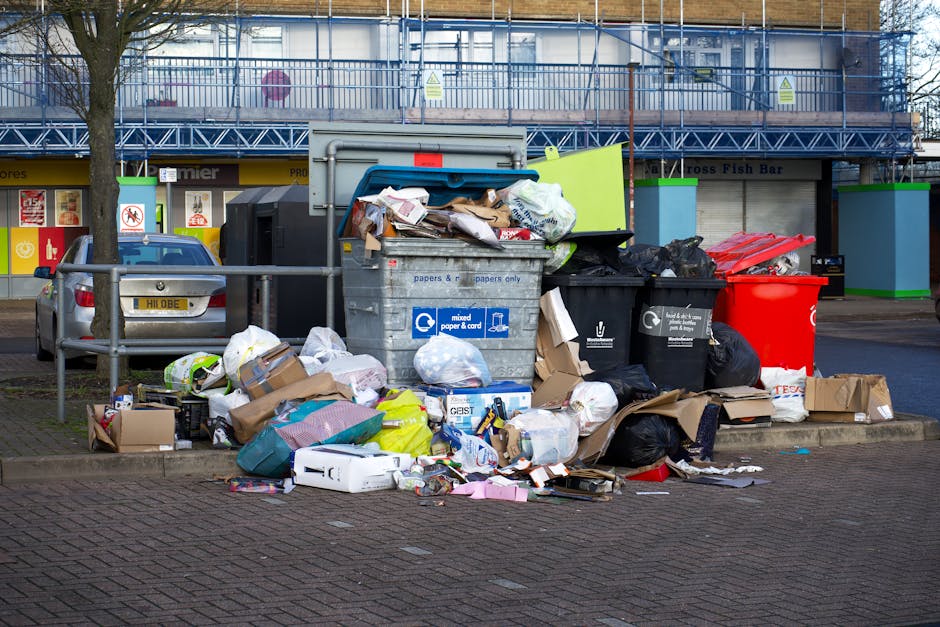
Why does this matter so much during a move? Because moving day is exactly when people get rushed. It is easy to leave a wardrobe frame by the kerb "for later" or assume a pile of cardboard will magically disappear. It won't. If you hand waste to the wrong person, leave it in the wrong place, or ignore collection rules, you can create problems for yourself and for the people living next door. That can mean complaints, fines, delays, and in some cases collection issues that drag on after the move.
There is also a wider practical point. A move that includes proper waste handling usually feels calmer. Fewer loose items around the property. Less clutter in hallways. Better access for removal teams. And, honestly, a much better feeling when you finally lock the door. If you have ever tried to carry a dismantled bed frame past three bags of mixed rubbish at 7.15 in the morning, you will know the vibe.
For households and businesses using services like home moving support, commercial relocation help, or a simple man and van service, legal waste disposal is part of making the whole job work smoothly. The cleaner the waste plan, the cleaner the move.
How Legal Waste Disposal for Pimlico Moves: Council Requirements Works
At a practical level, legal waste disposal during a Pimlico move usually comes down to four things: identifying what needs to go, separating items correctly, choosing an appropriate removal route, and making sure nothing ends up dumped illegally or left where it should not be.
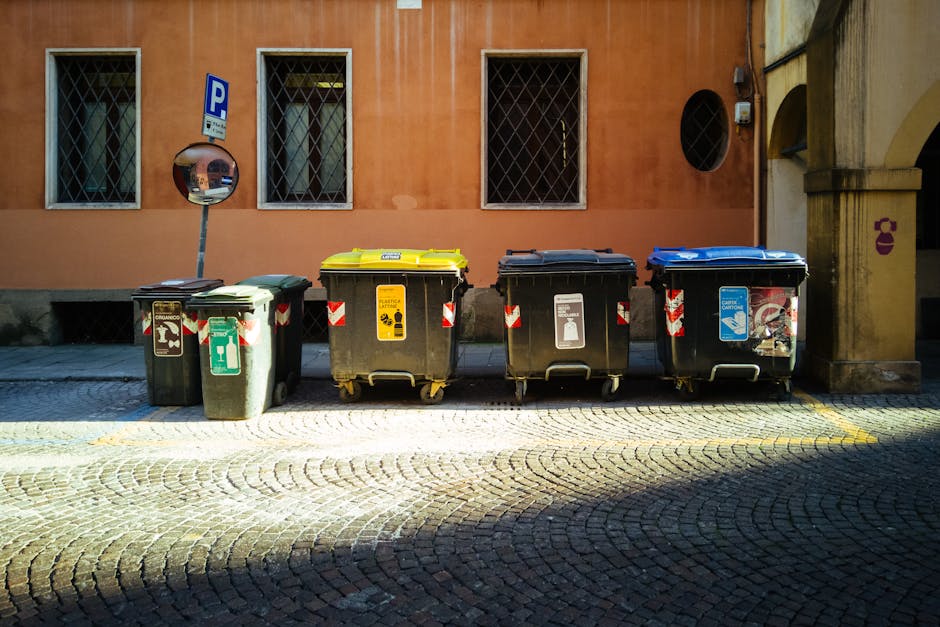
In plain English, there are different categories of unwanted stuff. Some items are reusable and could be donated or picked up. Some need specialist handling, such as electrical items or bulky furniture. Some are ordinary household waste. Some should not be mixed together because it makes collection harder and can cause compliance issues. You do not have to become an expert in waste law, but you do need to be sensible about how items are sorted.
Here is the usual flow during a move:
- Sort early: decide what is going, what is staying, and what is waste.
- Separate by type: cardboard, soft furnishings, appliances, general rubbish, and reusable items should not all end up in one heap.
- Choose the right route: council collection, a licensed removal service, furniture pick-up, or recycling where appropriate.
- Arrange timing: legal disposal works best before move day or right after the property is emptied, not in the middle of the last frantic hour.
- Keep access clear: in Pimlico, tight streets and shared entrances can make poor planning expensive in time and effort.
That last point sounds obvious, but it is where many moves go wrong. A pile of waste in the hallway can slow everything down. A few extra black bags left outside may look harmless. They rarely are. The cleanest move is the one where waste leaves at the right time, by the right route, in the right way.
If you are moving a business, office, or mixed-use premises, the stakes get higher. Documents, packaging, broken chairs, old monitors, and storage clear-outs often require a more structured approach. Services such as office relocation services and packing and unpacking services can help keep the process orderly, which matters more than people think.
Key Benefits and Practical Advantages
Legal disposal is not only about avoiding trouble. Done well, it gives you real advantages during a move.
- Less clutter: you are moving fewer unnecessary items, so packing becomes simpler.
- Lower risk of damage: removing junk before the move reduces the chance of broken items getting in the way.
- Better timekeeping: removal crews can work faster when access is clear.
- Improved safety: fewer trip hazards, sharp edges, and heavy objects left loose.
- Cleaner handover: if you are leaving a rented property or commercial unit, a tidy clear-out makes a strong impression.
- Peace of mind: you know the waste is being handled properly, not just shoved out of sight.
There is also a money side to this. While legal disposal may involve a service fee or collection cost, it often reduces wasteful spending elsewhere. You are not paying to transport things you should have discarded sooner, and you are less likely to need an extra emergency trip at the last minute. To be fair, that last-minute trip always looks cheap at first, then becomes a small disaster involving parking, lifting, and everyone being tired.
For people comparing moving support options, it helps to think beyond transport alone. A provider offering moving truck support or removal truck hire may make it easier to separate moveable goods from waste and keep the job properly organised.
Who This Is For and When It Makes Sense
This topic matters to more people than you might expect. If you are moving home in Pimlico, clearing a flat, relocating an office, or simply getting rid of old furniture before you pack, legal waste disposal should be on the checklist.
It makes particular sense for:
- Home movers who have accumulated bulky items over time and do not want to drag them to a new address.
- Landlords and tenants dealing with end-of-tenancy clear-outs or leftover belongings.
- Businesses replacing desks, chairs, shelving, or office equipment during relocation.
- People in shared buildings where waste left in hallways or communal spaces creates friction fast.
- Anyone with furniture that will not be reused but is too large for ordinary bin disposal.
It also matters if you are short on time. Moving week has a strange way of compressing every tiny decision into one stressful afternoon. If you already know you need old furniture removed, or you have a garage full of forgotten things that would make a scrapyard jealous, it is usually better to handle disposal before the main move. That way, you can focus on the items that actually matter.
In some cases, a simple furniture collection or furniture pick-up is the most sensible route. In others, especially when access is awkward or the volume is larger, something like man with van support may be a more flexible option. The right choice depends on what you are getting rid of, how much of it there is, and how quickly it needs to go.
Step-by-Step Guidance
If you want a straightforward way to handle waste legally during a Pimlico move, use this sequence.
- Walk through the property room by room. Make a quick list of everything that will not be moving with you. Be honest here. That old lamp in the corner? The spare dining chair nobody likes? Add them now.
- Separate items into clear groups. Keep reusable, recyclable, bulky, electrical, and general waste apart where possible. The more mixed it becomes, the more annoying it gets later.
- Decide what needs professional removal. Heavy furniture, awkward items, and anything you cannot safely transport yourself should be scheduled for proper pick-up.
- Check building access and timing. Pimlico properties can have narrow staircases, limited parking, and awkward loading points. Plan around that reality, not the ideal version in your head.
- Prepare waste for collection. Flatten cardboard, bag loose rubbish, remove hazardous items if they require separate handling, and keep pathways clear.
- Use a lawful collection route. This may be a council option, a licensed mover, or a furniture collection service. The key is that the route is appropriate for the material.
- Do a final sweep. Before you hand back the keys, check cupboards, loft spaces, under beds, and behind appliances. You would be amazed how often one forgotten object becomes an extra headache.
If you are moving office stock or business equipment, a more structured approach helps. Using commercial moving support can keep the move itself separate from the waste process, which is useful when multiple people are involved and nobody wants confusion about what is being kept, recycled, or disposed of.
Expert Tips for Better Results
A few practical habits make legal waste disposal much easier. Nothing fancy. Just the sort of sensible stuff that saves time.
- Start early, not the night before. The sooner you decide what is going, the less likely it is to end up in a random pile.
- Use labels on boxes and bags. Simple labels like "keep", "donate", "recycle", and "waste" prevent confusion when people are tired.
- Keep one clear route out of the property. If possible, avoid creating a maze of bags and furniture at the front door.
- Protect communal areas. In shared blocks, be careful not to leave waste in corridors, stairwells, or near doors. It is a small thing, but it matters.
- Think about the sequence. The best moves often start with rubbish removal, then packing, then transport. Not the other way around.
- Be realistic about lifting. If an item is awkward, heavy, or unstable, get help. Pride is not worth a pulled shoulder.
One small but useful tip: set aside a "do not move" corner. Put anything destined for disposal there and leave it alone. It sounds basic, but it saves confusion on the final day. People can be funny under pressure; they will move a bin bag three times and still ask where it should go.
If your move involves a lot of packing, pairing waste planning with packing and unpacking services can keep the whole process calmer. It reduces the chance of unwanted items being packed by mistake, which, believe it or not, happens more often than people admit.
Common Mistakes to Avoid
Most waste problems during a move are avoidable. They usually come from rushing, assuming, or trying to make things "simple" in a way that turns out not to be simple at all.
- Leaving waste outside without checking collection rules. This is a classic mistake, and it can cause complaints very quickly.
- Mixing everything together. Cardboard, metal, electrical items, and general rubbish are not always treated the same way.
- Forgetting bulky items. Wardrobes, mattresses, broken tables, and white goods need special attention.
- Using an unverified collector. If waste is taken away improperly, the responsibility can come back to you. Not a fun surprise.
- Assuming council bins can take everything. They cannot. In fact, they are often the worst place for oversized or special waste.
- Waiting until moving day to sort it out. By then, the clock is already running and the stress is up.
Another mistake is not thinking through what can be reused. A perfectly good chair, for example, may not need disposal at all. Sometimes a furniture collection service or onward donation route makes more sense than sending everything as waste. That is better for your budget and better for the volume of rubbish ending up in disposal streams.
And yes, there is a human side to this. People sometimes hold onto broken bits because they feel guilty throwing them away. Then they move them three streets away and keep them in the new place for another six months. We have all seen it happen.
Tools, Resources and Recommendations
You do not need complicated systems to manage legal waste properly. A few simple tools go a long way.
- Marker pens and labels: for quick sorting and bag marking.
- Heavy-duty bags and boxes: useful for loose waste, smaller bits, and mixed packing debris.
- A notebook or phone checklist: ideal for recording what should be disposed of, reused, or moved.
- Basic measuring tape: handy if you need to check whether a large item will fit through doors or down stairs before collection.
- Removal planning notes: useful for timing lift access, vehicle arrival, and waste pick-up windows.
When you need support, choose the kind of service that matches the job. For example, a small flat clear-out may suit a flexible vehicle and crew, while a larger house move may benefit from house removalists or a more robust moving truck option. If the job is mainly about removing unwanted items, then a disposal-focused pick-up arrangement is usually the cleaner route.
For a useful planning baseline, keep the process simple: sort, separate, schedule, and clear. That four-step rhythm covers most move-related waste issues without overcomplicating things. Practical beats perfect every time.
Law, Compliance, Standards, or Best Practice
Waste disposal in the UK is shaped by legal duties around responsible handling, avoiding illegal dumping, and making sure waste is transferred to the right party. You do not need to memorise legislation to move house safely, but you should understand the broad principles. If you produce waste, you are responsible for ensuring it is dealt with properly. That is the core idea.
Best practice usually means:
- not leaving waste on the street unless it is allowed and arranged properly;
- not mixing materials that need different handling;
- using sensible collection methods for bulky or awkward items;
- keeping records or confirmations where needed for commercial clear-outs;
- avoiding anyone who offers suspiciously easy disposal with no clear process.
For businesses, the standard should be even tighter. Office equipment, desks, files, and leftover stock all need a proper disposal chain. If you are relocating commercial premises, it is worth being methodical from the start. Services such as office relocation services and commercial moves can help keep assets, waste, and transport separated in a way that makes sense.
There is also a practical compliance point around safety. Broken glass, sharp metal, damaged furniture, and overloaded bags create hazards for residents, staff, and removal crews. A legal disposal plan is also a safer plan. Simple as that.
Options, Methods, or Comparison Table
Not every waste situation needs the same solution. The right choice depends on quantity, access, item type, and how quickly you need the space cleared.
| Method | Best for | Pros | Watch-outs |
|---|---|---|---|
| Council-style collection | Standard household waste or scheduled bulky items | Structured and familiar | Timing may be limited; not ideal for urgent clear-outs |
| Furniture pick-up | Bulky items like sofas, tables, wardrobes | Convenient for large items | Not suitable for every waste type |
| Man and van removal | Mixed small-to-medium clear-outs | Flexible and practical | Needs clear sorting so waste is handled correctly |
| Full moving support | Whole-property moves with belongings and waste | Efficient when many items are involved | Requires good planning to separate keep/dispose piles |
If you are deciding between options, think about friction. Which method creates the least disruption for your building, your timeline, and your back? That is usually the right one. A cheap-looking solution that causes three extra trips is rarely cheap in real life.
Case Study or Real-World Example
Picture a typical Pimlico flat clear-out. The tenant is moving out on a Friday, the hallway is narrow, and there is a sofa that has seen better decades. There are also six cardboard boxes, a broken bedside table, an old printer, and a bag of mixed bits from a cupboard that nobody wants to open again. The temptation is to push everything into one corner and "deal with it later".
Instead, the smarter approach is to split the load. Cardboard is flattened and bundled. Reusable items are separated. The sofa and table are marked for pick-up. The printer is treated as a separate electrical item. A removal plan is then arranged so the waste leaves before the main furniture move. By the time the van arrives, the route is clear, the hallway is safer, and the final walk-through feels calm rather than chaotic.
That kind of setup is common, honestly. It is not dramatic. No disaster movie soundtrack. Just one of those mundane decisions that makes the entire day better. And if you are a business moving office stock, the same logic applies with more paperwork and fewer sofa cushions. It is still the same principle: separate what stays from what goes, and make sure the going part is handled properly.
Practical Checklist
Use this checklist before and during your Pimlico move:
- List all unwanted items room by room.
- Separate reusable items from true waste.
- Identify bulky items early.
- Check whether any electrical or special items need separate handling.
- Flatten cardboard and bag loose waste.
- Keep walkways, staircases, and exits clear.
- Plan disposal before the main moving day if possible.
- Use a suitable service for the volume and type of waste.
- Do a final property sweep before handover.
- Make sure nothing is left behind in cupboards, loft spaces, or under beds.
If you are also arranging transport, it can help to combine the disposal plan with the move itself. A well-organised vehicle arrangement, such as removal truck hire, gives you more control over how the day unfolds and reduces the chance of mixing waste with items you still need.
Conclusion
Legal waste disposal for Pimlico moves is really about common sense backed by good habits. Sort early. Use the right collection route. Keep bulky items and household waste separate where needed. Avoid dumping, avoid guesswork, and avoid leaving a mess for later. The council requirements exist for a reason, but beyond compliance, they make the move cleaner, safer, and a lot less stressful.
Whether you are clearing a small flat, relocating a family home, or managing a commercial move, the same rule applies: the less clutter you carry forward, the easier the next chapter becomes. And that is a relief, let's face it.
If you are planning a move and want help managing the waste side properly, get in touch to discuss the best option for your situation.
Get a free quote today and see how much you can save.
Frequently Asked Questions
What counts as legal waste disposal during a move?
Legal waste disposal means unwanted items are removed through an appropriate, lawful route rather than dumped, left in the wrong place, or handed to someone without a proper process. That usually includes sorting items, using suitable collection methods, and avoiding unsafe or prohibited disposal.
Do I need to separate furniture from general rubbish?
Usually, yes. Furniture is bulky and often needs a different handling method from bags of household waste. Separating it early makes collection easier and reduces the chance of items being refused or mishandled.
Can I leave waste outside my property in Pimlico?
Only if it is arranged properly and permitted. Leaving waste outside without checking the rules can cause complaints or enforcement issues. In shared streets and blocks, it is especially important to keep communal areas clear.
What happens if I mix recyclable items with general waste?
Mixing waste types can make disposal less efficient and, in some cases, create problems for the collection method you planned to use. It is always better to sort first, even if the sorting is only basic.
Is a furniture pick-up enough for a full flat clear-out?
Sometimes, but not always. A furniture pick-up is ideal for large single items or a few bulky pieces. If you also have bags, small items, or other waste, you may need a broader removal approach.
Do businesses need a different approach from households?
Generally yes. Businesses often deal with more items, more people, and more responsibility around equipment, files, and office furniture. A structured commercial move or office relocation plan is usually the safer choice.
How far in advance should I arrange waste removal?
As early as you can. A few days' lead time is often helpful, but the real answer depends on how much you are clearing and how tight your move date is. Early planning always makes the process calmer.
What if I have old electrical items to dispose of?
Electrical items should be treated separately from ordinary waste. They can require different handling, so do not just mix them into a black bag and hope for the best. That is rarely the right answer.
Can I handle the waste myself with a van?
Yes, for some smaller jobs, provided the waste is allowed to be transported that way and you can do it safely. But if you have heavy, awkward, or mixed waste, using a proper removal service is often easier and less risky.
What should I do with reusable items I do not want to keep?
If they are still in decent condition, consider whether they can be passed on, reused, or collected separately. Reusable items should not automatically be treated as waste just because you no longer need them.
How do I avoid trouble with council requirements?
Keep the process simple: sort items early, use lawful collection methods, avoid leaving rubbish in shared or public spaces, and make sure bulky or special items are handled correctly. When in doubt, plan ahead rather than guessing.
What is the biggest mistake people make during move-related waste disposal?
The biggest mistake is leaving it too late. Once moving day starts, waste sorting becomes noisy, rushed, and more likely to go wrong. Early action saves time and keeps everyone a bit calmer.