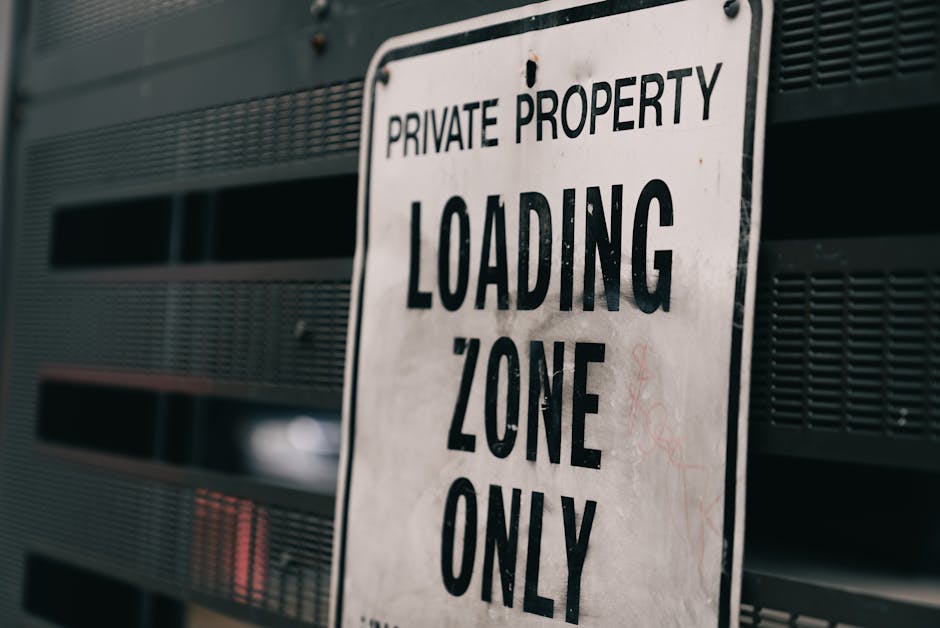
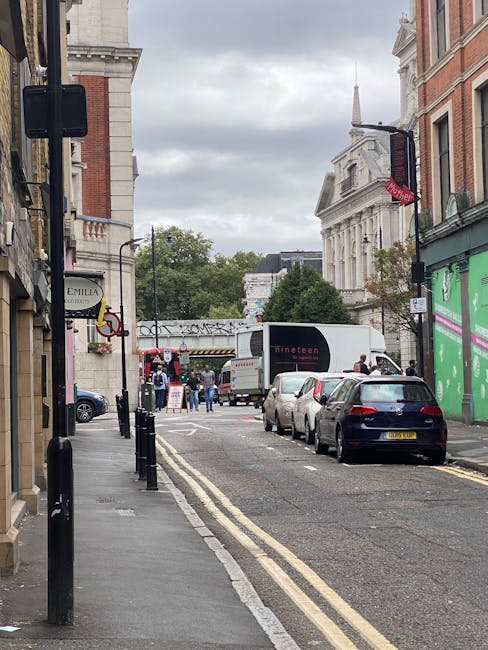
Loading Bay Rules in SW1V: Fines, Booking and Timings
If you are planning a delivery, removal, office move, or furniture drop-off in SW1V, loading bay rules can make the difference between a smooth stop and an expensive headache. In a place like Pimlico, space is tight, traffic can be unforgiving, and a vehicle parked a few minutes too long in the wrong bay can easily trigger a fine, a complaint, or both. That is why understanding Loading Bay Rules in SW1V: Fines, Booking and Timings matters before the van even turns the corner.
Truth be told, most problems are not dramatic. They start small: a late arrival, a missed booking slot, a driver assuming there will be space, or a helper who did not realise the bay was time-restricted. This guide breaks down how loading bays work in SW1V, what commonly causes fines, how booking and timings tend to be handled, and what you can do to keep everything on track. It is written for real-world moves, not perfect textbook situations.
Expert summary: In SW1V, the safest approach is to treat loading bay use as a planned part of the move, not an improvised parking solution. Book early where required, allow buffer time, and keep the vehicle, paperwork, and contact details ready before you arrive.
Table of Contents
- Why Loading Bay Rules in SW1V: Fines, Booking and Timings Matters
- How Loading Bay Rules in SW1V: Fines, Booking and Timings Works
- Key Benefits and Practical Advantages
- Who This Is For and When It Makes Sense
- Step-by-Step Guidance
- Expert Tips for Better Results
- Common Mistakes to Avoid
- Tools, Resources and Recommendations
- Law, Compliance, Standards, or Best Practice
- Options, Methods, or Comparison Table
- Case Study or Real-World Example
- Practical Checklist
- Conclusion
- Frequently Asked Questions
Why Loading Bay Rules in SW1V: Fines, Booking and Timings Matters
Loading bays look simple from the street. A marked space, a sign, maybe a time plate, and that is that. But in SW1V, the reality is usually more layered. A loading bay may be shared, time-limited, restricted to certain vehicle types, or controlled by local parking rules that do not leave much room for guesswork. If you ignore that structure, the cost can be more than a delay. It can mean a penalty charge, wasted labour time, missed access, and a very unhappy customer or resident.
For home moves, the issue is often simple convenience. For business relocations, it becomes operational risk. A late office delivery can hold up IT equipment, desks, stock, or fit-out work. A failed furniture collection can leave a building lobby cluttered and awkward. If you are organising a home move in central London or a commercial relocation, loading bay planning is one of those details that quietly controls the whole day.
There is also the local factor. SW1V sits in a busy part of London where kerb space is precious and streets do not always forgive sloppy planning. One van parked with the engine ticking, half blocking access, can create ripple effects fast. And to be fair, the rules are not there just to be awkward. They keep traffic moving, protect access for residents and businesses, and reduce the chaos that would happen if every delivery crew just stopped wherever they felt like it.
So yes, this topic matters because it affects:
- whether your vehicle can legally stop in the bay
- how long you can stay
- whether you need to pre-book or arrange permission
- the chance of receiving a fine or receiving a complaint
- how efficiently your move or delivery will run
The short version? Loading bay rules are not a small admin task. They are part of the move itself.
How Loading Bay Rules in SW1V: Fines, Booking and Timings Works
Loading bay use usually follows a simple principle: the bay is there for loading or unloading only, within the permitted times and under the conditions shown on the signs or set by the local authority. In practice, that means you need to check three things before you park up: where you can stop, when you can stop, and for how long.
The exact details vary by street and by bay. Some bays allow loading without a booking, provided you stay within a short maximum duration and do not leave the vehicle unattended in a way that breaches the rules. Others may require advance booking or a permit for certain types of work, particularly if the bay is in a controlled zone or near a busy commercial frontage. This is why the wording on the sign matters. Small print. Annoying, yes. Essential, also yes.
In a normal move, the process often looks like this:
- You identify the nearest loading bay to the property.
- You check the sign for hours, restrictions, and loading-only conditions.
- You confirm whether a booking, dispensation, or permit is needed.
- You schedule the van arrival to fit the allowed window.
- You load or unload quickly and keep the vehicle activity clearly within the rules.
When people talk about fines, they usually mean penalty charge notices issued for stopping where you should not, overstaying the allowed time, or using a loading area outside the permitted conditions. A fine can also happen if the driver thinks they are loading, but the activity is too slow, too interrupted, or not clearly linked to genuine loading or unloading. That is one of those frustrating grey areas where timing and evidence matter more than people expect.
Booking is often the bit that gets overlooked. For some jobs, especially planned removals, office relocation, or bulky collections, a booking system or prior arrangement can make everything easier. If you are arranging a bigger move, services like man and van support or removal truck hire can be scheduled around the available loading window so the vehicle is not sitting there waiting and eating into the clock.
Timing, meanwhile, is where the whole thing lives or dies. A 15-minute stop sounds generous until you are waiting for a lift, a building concierge, a key handover, and a trolley that is somehow always in the wrong place. If the loading bay only allows a short stay, build in enough margin to cover the little delays that always happen.
Key Benefits and Practical Advantages
Following loading bay rules is not just about avoiding punishment. Done properly, it actually makes the whole job easier.
- Fewer fines and disputes: The obvious one. You reduce the risk of penalty charges and awkward conversations with enforcement officers or building managers.
- Faster turnaround: When the bay is booked or timed correctly, the crew can focus on the load instead of circling for space.
- Less stress on the day: Anyone who has tried to move in London knows how quickly stress grows when the vehicle nowhere is to be found. A clear plan calms the day down.
- Better access for heavy items: A nearby legal stop makes sofas, crates, office chairs, and appliances much easier to move.
- Cleaner communication: Residents, staff, porters, and drivers all know what is happening, which cuts down on confusion.
There is also a financial upside that people sometimes miss. If your vehicle can use the bay legally and efficiently, you are less likely to burn extra labour time. That matters whether you are dealing with a one-bedroom flat, a shop refit, or a full office relocation. A well-managed loading point helps the whole service run leaner. Less waiting, less wandering, fewer "just let me check" moments.
For businesses especially, this can be the difference between a tidy same-day move and a stretched-out job that drags into the afternoon. If you are shifting stock or equipment, it can also make sense to align the loading plan with commercial moves support or office relocation services so the bay usage matches the sequence of the move.
Who This Is For and When It Makes Sense
This topic is relevant to a fairly wide group, not just removal companies. If you are planning to stop a vehicle in SW1V for loading or unloading, you should probably care about the rules. Simple as that.
It is especially useful for:
- home movers moving out of or into flats, terraces, or mansion blocks
- tenants arranging end-of-tenancy removals
- landlords or agents coordinating furniture clearance
- small businesses receiving stock deliveries
- office managers organising workstation moves
- drivers using a man with van service for quick collections
- teams handling bulky items with a moving truck
Sometimes it makes sense even when you are not doing a full move. Say you are collecting a sofa, dropping off archive boxes, or picking up equipment for a weekend event. If the vehicle needs to stop in a loading bay, the rules still matter. The job may be small, but the penalty for getting it wrong is the same size.
One thing worth saying: if your building has a concierge, estate manager, or loading instructions of its own, those local rules can matter just as much as the street rules. The two can sit side by side, and if they clash, the stricter one usually wins in practice. People forget that. Then Monday morning gets messy very quickly.
Step-by-Step Guidance
Here is a practical way to handle loading bay planning in SW1V without overcomplicating it.
1. Identify the exact loading point
Do not assume the nearest marked space is the right one. Check the street, the side of the road, the bay markings, and the sign. In a dense area, the difference between one bay and the next can be annoying but crucial.
2. Read the signs properly
Look for loading-only wording, time limits, days of operation, any vehicle size conditions, and whether waiting is allowed. Some drivers check the lines on the road and ignore the sign. That is backwards. The sign tells the story.
3. Confirm whether booking or permission is needed
Some loading areas can be used directly within the stated limits. Others may require advance arrangement, especially for longer jobs or commercial stops. If you are using a team such as house removalists, ask them early how they handle bay arrangements. Experienced movers often know how to plan around the local constraints without wasting time.
4. Match the vehicle and arrival time to the slot
Tell the driver the address, the access details, and the target loading window. If there is a lift, narrow stairwell, or awkward entry route, mention that too. Loading bay timing is not just about parking; it is about how quickly the goods can move between property and vehicle.
5. Keep evidence and paperwork close
If the bay is booked, if a permit exists, or if the job is an authorised collection, keep the relevant details ready. A photo of the sign, booking confirmation, or contact name can save a lot of back-and-forth if anyone questions the stop.
6. Work quickly and stay within the purpose of the bay
The vehicle should be actively used for loading or unloading. Avoid turning the bay into a waiting space, lunch spot, or long chat zone. It sounds obvious, but people do odd things under pressure.
7. Build in a buffer
Do not schedule the slot so tightly that one late lift or one missing key knocks everything off course. A 10-minute buffer can be the difference between calm and chaos. Sometimes that tiny cushion is all you need.
Expert Tips for Better Results
After enough moves and collections, a pattern starts to emerge. The jobs that go smoothly are usually the ones where someone planned for friction instead of pretending it would not happen.
- Arrive earlier than you think you need to. Not wildly early, just enough to deal with a blocked approach road or a building delay.
- Use a smaller vehicle where practical. A compact van can be easier to place safely in tighter loading spaces than a larger truck. If the job is modest, that matters.
- Pre-pack items by priority. The first things out should be ready at the door, not still buried under loose bags and half-sealed boxes.
- Assign one person to watch the clock. In busy moves, someone has to keep an eye on timing. Otherwise everyone assumes someone else is doing it.
- Speak to the building early. If the property has a management team or concierge, let them know the approximate window. A quick heads-up can prevent a lot of friction.
- Keep loading continuous. Stop-start loading wastes the permitted time fast. Once the vehicle is in place, keep the rhythm going.
A practical example: if a client is moving from a third-floor flat near SW1V and the loading bay is only available for a short window, the best tactic is usually to have the van parked and the first load ready before the clock starts effectively ticking. Boxes by the door, protective wraps on the bigger items, and a driver who knows the route in and out. Not glamorous. Very effective.
If your move involves packaging, fragile items, or multiple stops, it may also be worth planning the order of work alongside packing and unpacking services. The less time spent hunting for tape, labels, and missing kettle parts, the more the bay window works in your favour.
Common Mistakes to Avoid
The biggest mistake is assuming that a loading bay is a free-for-all parking space. It is not. Even if it looks empty, the rules still apply.
Other mistakes that regularly cause trouble include:
- Arriving without checking the sign: This leads to avoidable penalties and arguments.
- Overstaying by "just a few minutes": In enforcement terms, a few minutes can still be enough.
- Using the bay while waiting for someone to arrive: If the vehicle is not actively loading or unloading, the stop may not qualify.
- Blocking access with a larger vehicle than planned: The bay may technically be legal, but the manoeuvre can still create problems.
- Forgetting building rules: Street permissions and building permissions are not always the same thing.
- Leaving the driver out of the loop: If the driver does not know the exact timing, everyone loses time.
Another sneaky problem is underestimating how long the handover takes. You think you are just moving a few items, then the lift is busy, the packing is not finished, and the coffee mugs are still in a cupboard somewhere. Happens all the time. That is why the safest plans include a bit of breathing room, not just a clean timetable on paper.
Tools, Resources and Recommendations
You do not need a complicated toolkit to handle loading bay logistics well, but a few basics help enormously.
- Printed or digital booking details: Keep the confirmation easily accessible.
- Phone contact list: Driver, building contact, client contact, and any onsite manager.
- Photos of signage and access points: Helpful if instructions are confusing or you need to brief the crew.
- Boxes, labels, and protective materials: Good packing reduces loading time, which is the whole point.
- Vehicle that suits the job: A van that is too large can create avoidable stress around the bay.
For a straightforward job, a flexible man and van setup can work very well. For heavier or bulkier loads, a larger vehicle or a truck hire option may be more appropriate, provided the bay access and timing allow it. Match the vehicle to the site, not just to the item count. That is where people often go wrong.
It is also smart to read the provider's service terms carefully, especially if timings, access, waiting, or cancellations could affect the booking. A bit of prevention here can save a lot of awkwardness later. The same goes for understanding how your personal data or job details will be handled, so checking privacy information and service terms is just sensible housekeeping.
Law, Compliance, Standards, or Best Practice
Because loading bay use can involve parking restrictions, timing conditions, and local enforcement, it is best treated as a compliance issue rather than a casual convenience. The exact legal position depends on the street, the signage, the vehicle activity, and any permissions in place. In the UK, the general best practice is straightforward: follow the sign, follow any booking requirement, and do not assume that being in a loading bay automatically makes the stop lawful for any purpose.
For drivers and move coordinators, the safest working standard is to keep the activity clearly connected to loading or unloading, keep the stop within the permitted time, and retain any evidence that supports the booking or arrangement. That might sound cautious, but in busy London streets it is practical. It protects the job, the client, and the crew.
Where a business is involved, especially a commercial relocation, a separate layer of duty comes in. Staff should know who is responsible for access, who is booking the slot, and who will communicate with the driver if the bay becomes unavailable. Good compliance is often just good coordination in a suit.
If in doubt, treat the sign and the local arrangements as the final word for that stop. It is safer than assuming the last job you saw nearby followed the same rules. That kind of guesswork is where fines begin.
Options, Methods, or Comparison Table
Different moves use loading bays in slightly different ways. Here is a simple comparison to help you choose the right approach.
| Method | Best for | Pros | Watch-outs |
|---|---|---|---|
| Direct loading bay stop | Short home moves, quick collections | Fast access, minimal walking distance | Strict timing, easy to overstay |
| Pre-booked bay or arranged slot | Planned removals, office moves | More control, fewer surprises | Requires good coordination and punctuality |
| Smaller vehicle with flexible access | Dense streets, mixed-use buildings | Easier to manoeuvre, simpler bay fit | May need more trips if load is large |
| Larger truck with organised loading team | Bulky or high-volume moves | Fewer trips, efficient for big loads | Harder to position in tight bays |
In real life, the best option depends on the size of the load, the building layout, and the exact loading window. A large truck is not always the smartest choice just because it looks more efficient on paper. Sometimes the cleaner move is two lighter runs with good timing. Bit less dramatic, much less stressful.
Case Study or Real-World Example
Consider a typical weekday move in SW1V: a couple leaving a second-floor flat with a mix of boxes, a bed frame, two small wardrobes, and a dining table. The loading bay is near the address, but only available during a narrow daytime window. The building also has a lift that is not especially quick, and the street is busy enough that standing still feels like you are in the way even when you are not.
In a rush, that move could go sideways. The van arrives late, the loading bay is occupied, the driver circles the block, and the clock starts slipping. By the time the team gets in place, everybody is tense and the tail end of the job starts to feel like a race.
Now imagine the same move done properly. The crew confirms the bay requirements in advance, the vehicle arrives a little early, the larger items are staged first, and the team knows exactly which boxes come out in what order. The van is never left waiting unnecessarily. The load is completed within the planned window, and the move ends with that rare and lovely feeling: no drama, just done.
That is the real value of good loading bay planning. It does not merely avoid fines; it creates momentum.
Practical Checklist
Use this checklist before the vehicle arrives.
- Confirm the exact loading bay location
- Read the street sign and any time plates carefully
- Check whether booking, permission, or a permit is needed
- Confirm the arrival window with the driver or movers
- Make sure the access route is clear inside the property
- Prepare all items for immediate loading
- Keep booking details and contact numbers handy
- Build in buffer time for lifts, stairs, and traffic
- Check whether the vehicle size suits the bay
- Make sure everyone knows who is responsible for timing
Quick takeaway: If the loading bay window is short, the whole move needs to be front-loaded. Preparation is what saves the slot, not speed at the very end.
Conclusion
Loading bay rules in SW1V are one of those topics that looks small until it goes wrong. Then suddenly it is the only thing anyone can think about. Fines, booking requirements, timing restrictions, and local access rules all shape how smoothly a move or delivery will go. Get them right, and the job feels calm, efficient, and almost easy. Get them wrong, and you spend the day reacting instead of moving.
The best approach is simple: check the rules early, plan the timing properly, choose the right vehicle, and leave a little room for the unexpected. That little bit of planning can save money, time, and a fair amount of stress. And honestly, in central London, that is no small thing.
If you are arranging a move, collection, or delivery in SW1V, it is worth getting the bay plan sorted before anything else. Small detail, big payoff. One of those rare admin tasks that actually makes life easier.
Get a free quote today and see how much you can save.
Frequently Asked Questions
What are loading bay rules in SW1V?
They are the conditions that control when and how a vehicle can stop in a loading bay in the SW1V area. They usually cover purpose, time limits, and any booking or permit requirements.
Can I use a loading bay for any parking?
No. Loading bays are generally for loading and unloading only, and not for general parking. If you park there without active loading activity, you may be at risk of a fine.
Do I need to book a loading bay in advance?
Sometimes yes, sometimes no. It depends on the exact location and the local arrangements. Some bays are useable within posted limits, while others require advance booking or permission.
How long can I stay in a loading bay?
The allowed time varies by bay and by sign. You should always follow the posted restriction for that location rather than assuming a standard duration applies everywhere.
What happens if I overstay the booking window?
You may receive a penalty charge notice or face enforcement action, depending on the circumstances. Even a short overstay can create problems, so buffer time matters.
Are loading bay fines common in central London?
They can be, especially where streets are busy and drivers rely on guesswork. SW1V is the kind of area where planning matters because the kerbside space is limited and heavily used.
Can a removal van stop in a loading bay?
Yes, if the stop is lawful under the bay's rules and the activity is genuinely loading or unloading. The vehicle type alone does not decide it; the sign and the activity do.
What if the bay is occupied when I arrive?
You may need to wait legally elsewhere, rearrange the timing, or use an alternative access point. Do not assume you can simply double park or stop in a restricted place to save time.
Is there a difference between a booking and a permit?
Yes. A booking is usually a reserved time or arranged access window, while a permit is formal permission to use the space under certain conditions. The exact setup depends on the location.
How can I reduce the risk of a loading bay fine?
Check the sign carefully, arrive on time, keep loading continuous, and make sure the vehicle and job are set up so the bay is used only for the permitted purpose.
What should I do if I am moving a flat in SW1V?
Plan the loading point early, brief the driver, and make sure boxes and furniture are ready before the van arrives. If the job is larger, a coordinated service such as home moves support can make the timing much easier to manage.
Who should I contact about loading bay questions for a job?
Start with the building contact or move coordinator, then confirm with the service provider handling the vehicle. For service-specific help, you can also use the site's contact page to discuss the move details.